Peripheral Artery Disease (PAD) is a condition in which peripheral arteries (most commonly those in the lower legs) become narrowed and restrict blood flow. Sufferers have an increased risk of stroke, heart attack, and limb amputation.


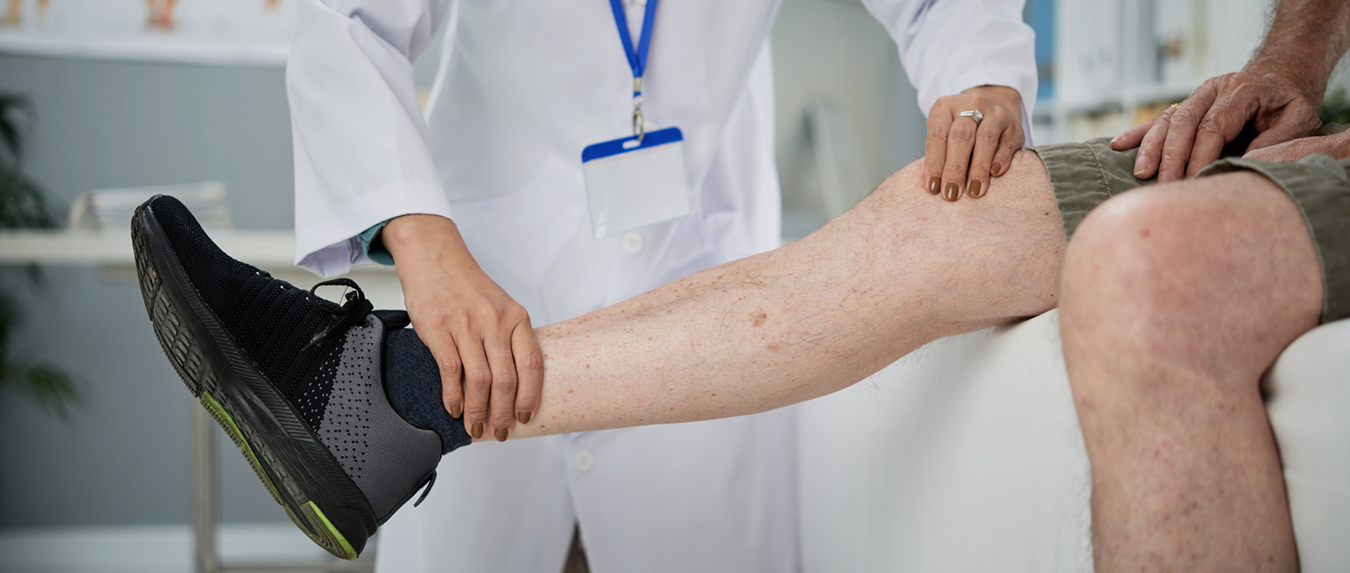
Peripheral Artery Disease (PAD) is a condition in which peripheral arteries (most commonly those in the lower legs) become narrowed and restrict blood flow. Sufferers have an increased risk of stroke, heart attack, and limb amputation.
At Cardiovascular Institute of the South, we believe that early diagnosis and treatment can prevent disability and save limbs and lives. Many people lose limbs each year due to peripheral artery blockage. Among those living with limb loss, the main cause is vascular disease (54%) – including diabetes and peripheral artery disease. Through the development of non-surgical treatments and the advancements of leading-edge technology, patients can be assured that each case is thoroughly reviewed, and all available treatment options are considered.
Data from the Centers for Disease Control (CDC) suggests that 2/3 people with PAD have no symptoms, while 1/4 have severe PAD. PAD can be difficult to diagnose, as many patients have no symptoms or symptoms so mild that they give them little consideration.
The risk factors associated with Peripheral Artery Disease are:
PAD is most commonly the result of atherosclerosis, a condition in which plaque builds within the arteries. Over time, this plaque hardens and reduces the flow of oxygen-rich blood. If PAD is left untreated, complications can include heart attack, stroke, or loss of limbs due to infection or injury. While the exact cause of atherosclerosis is not known, certain conditions that damage the inner layers of arteries may be contributors or risk factors of PAD. In its early stages, carotid artery disease does not show any symptoms.
While many patients have no symptoms of PAD, the condition does pose a potential health risk. Those with more advanced forms of PAD may experience complications including the following:
Understanding the distinction between PAD and PVD can be confusing, particularly when there seem to be so many naming variations. In addition to peripheral artery disease and PAD, you may have heard the condition referred to as peripheral vascular disease or PVD. This often leads the two to be used interchangeably, and while the term PVD does encompass all cases of PAD, the term PAD cannot be used to refer to all types of PVD.
PVD is considered to be either functional or organic, based on how it develops. Functional PVD does not result from damage or defect of the blood vessels. In conditions such as Raynaud’s disease, the vessels expand or constrict on their own in response to stimuli. Organic PVD, on the other hand, occurs when there is damage to vessels from sources such as inflammation or plaque buildup, or atherosclerosis. PAD is the most common form of organic PVD.
Forms of PVD that are not considered PAD include:
While patients may hear and see the terms PAD and PVD used interchangeably, it is important to understand that, while PAD is the most common, other forms of PVD do exist.
PAD is a particularly dangerous form of vascular disease of which too many patients are unaware. While the condition can sneak up silently, the complications it can cause can be life-altering and may even result in the loss of limbs. Early diagnosis and treatment are key to minimizing the impact of the disease. If you are already suffering from symptoms of PAD or meet the risk criteria above, contact Cardiovascular Institute of the South. With a simple, non-invasive test called an ankle-brachial index, you can determine your risk for PAD and gain invaluable insight into your health.
Gupta Cardiology’s physicians are here to help determine the best treatment path for all our patients. Our physicians evaluate each patient on a case-by case basis to determine the best course of treatment.